How to Expand CNG

October 12, 2020

With the increasing use of compressed natural gas (CNG) as an alternate fuel source comes the discussion of how to more extensively use it as a clean energy source. While 30 percent of the United States’ energy sources are natural gas, less than one percent of that is used as fuel for vehicles like CNG trucks.

A majority of CNG vehicles that use this fuel source belong to large corporations or municipalities. Many companies that utilize heavy-duty construction trucks, public transportation buses, or delivery vans convert their fleets to utilize compressed natural gas. CNG fleets benefit these organizations by saving them money and the environment simultaneously.

However, only 250,000 of the world’s 12 million vehicles powered by CNG are located in the United States; most of these vehicles are fleet vehicles. As municipal and corporate fleets lead the way in proving the efficient and safe use of compressed natural gas as alternative fuel, there should be an expansion of CNG consumer vehicles in the United States.

The biggest way to see an increase in light-duty CNG vehicles in the United States is to encourage manufacturers to create CNG cars with compatible engines. There are only a few models of vehicles on the market, like the Ford F250, that utilize compressed natural gas in different ways. A dedicated CNG vehicle runs strictly on natural gas, while a bi-fuel vehicle can run on either natural gas or gasoline; dual-fuel vehicles use diesel fuel for ignition and natural gas the rest of the time.

A deterrent for consumers looking to purchase CNG vehicles might be the sparse number of fueling stations throughout the United States, especially when compared to the number of gas stations. When consumers don’t have to convert their everyday vehicles or go out of their way to find a fueling station, they’re more likely to buy easy-to-use, sustainable vehicles.

If there are more CNG consumer vehicles on the road, there needs to be more government support of these vehicles. This should start at the state level with inspection processes, as not all states have these in place for compressed natural gas vehicles. Outside of state government support, there needs to be more of a nationwide incentive for cleaner energy cars. With more state support and a national incentive for compressed natural gas, it would be convenient and sustainable for consumers to have a CNG vehicle.

Ozinga builds CNG fueling stations and has hundreds of CNG trucks on the road. Contact an energy specialist for help converting your vehicle.
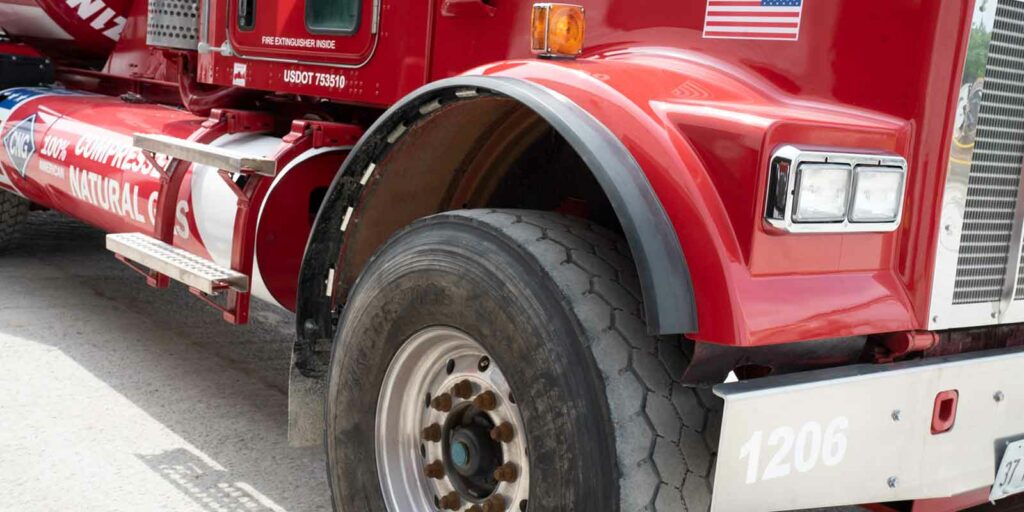
Converting your fleet to compressed natural gas is a big decision. With lots of factors to analyze before switching over to CNG, consider costs and benefits from this alternate fuel source.

DO YOU HAVE ACCESS TO UTILITY SERVICES?

Whether you’re converting your whole fleet or just a few trucks, you should have easy access to utility services, like gas and electric. You should also have easy access to a CNG fueling station and consider whether your fleet requires a time-fill or fast-fill station. If there isn’t a station close to your facility, consider building your own. This might mean that you have to reconsider your budget.

WHAT’S YOUR BUDGET?

Considering what you can spend and how much of your fleet to convert to CNG can help save you stress in the process. While the upfront cost of converting to CNG can be expensive, your fleet will use less fuel and require less maintenance in the following three to six months. This will ultimately save you time and money and means that your fleet will last longer.

If you’re hesitant about the cost of converting, scale the amount of conversion to what meets your needs. If you can’t afford to convert your entire fleet or have all your trucks out of commission, convert them in shifts instead.

HOW WILL YOU BENEFIT?

There are several benefits to converting your fleet to CNG. Make sure to analyze them and see if you’re meeting your goals. CNG vehicles are safer than gasoline fuel vehicles, as compressed natural gas isn’t as flammable. CNG is also better for the environment, as it results in less toxic fumes and pollution. Lastly, you’ll save money, as conversions can outlast the vehicle itself. CNG vehicles are very safe and the converted parts can be removed if you change your mind.

DO YOU HAVE PROVIDERS WITH THE RIGHT SKILLS?

There are several steps to converting your vehicle that you’ll need professional expertise for along the way. Before you convert your vehicle, talk to an expert so you know what’s best for your specific trucks.

When servicing CNG vehicles, it’s vital to find a good technician to provide maintenance and potential new parts. Additionally, it’s difficult to convert old vehicles. If your trucks are old, it may be in your best interest to buy new CNG ones, instead of converting. Ask an expert about your state laws regarding vehicle emissions and vehicle inspection.

When building a CNG fueling station, four easy steps can help you to improve your fleet, save money, and play a part in saving the environment.

1. HAVE A GAME PLAN.

The first thing to consider is if you have the proper utility services. Check to see if gas and electric services are available to you or if you need them upgraded. Next, contemplate your needs: Do you require a time-fill or fast-fill fueling station? Is the station just for your fleet or other fleets as well? Is the location of your station accessible to large vehicles? Having a plan before finding a provider will facilitate communication, avoid miscommunication, and help you to have a seamless building experience.

2. FIND THE RIGHT PROVIDER.

Your building partner defines your experience. Make sure whoever you chose has experience in building different types of stations and can properly assess your needs and game plan. A provider that caters to you and your team with regular training is also essential, as technology is always changing and improving. Your partner should provide timely maintenance, respond to service calls, and replace equipment as needed so that your experience is as easy as possible.

3. GET THE RIGHT SYSTEMS.

If you have the right plan and provider, next you’ll need the right systems. No two CNG fueling stations are alike and every fleet has different needs. The right systems and equipment will help to optimize your fueling station and seamlessly serve your fleet and others. Important systems include compressor systems, storage systems for compressed natural gas, time-fill or fast-fill dispensing systems, monitoring systems, and point of sale systems to make your station convenient and accessible.

4. PRACTICE SAFETY.

Even though CNG is safer than traditional fuels because it has a lower chance of combustion, don’t forget to practice safety on the job. When constructing your CNG fueling station, make sure your provider understands building codes and safety requirements.

Once your fueling station is built and ready to operate, don’t forget about your own safety. Pay attention and listen to the instructions your provider presents. When filling up your vehicle, turn off the engine and don’t smoke by the fueling station. Familiarize yourself with the location of fire extinguishers and emergency shutoffs at your location, in case of emergency.

Following these four easy steps will help you to streamline your CNG fueling station construction experience and allow you to fully enjoy your green, money-saving, efficient fleet.

As gas and diesel prices soared in 2010, Ozinga began exploring compressed natural gas as an alternative fuel option. Rather than convert our fleet all at once, we chose to purchase a CNG vehicle and expand as we were able. A new CNG vehicle can be expensive, but fortunately, there are grants available to offset the costs.

Ozinga participated in natural gas roundtables and other educational events hosted by Clean Cities partners, including South Shore Clean Cities, Chicago Clean Cities, and Wisconsin Clean Cities. Clean Cities also helped connect Ozinga with natural gas advocates across the United States, and natural gas fueling system manufacturers to ensure Ozinga’s technicians had the proper certifications. Throughout the grant process, Ozinga also made sure we were following all the proper protocols at the federal, local, and state levels.

If you’re interested in pursuing a CNG grant, it’s important to prepare yourself before the grant process begins. Make a plan: Figure out what vehicles you’d like to replace, and which vehicles you operate that fit into the available grant categories. Apply as early as possible to increase your chances of securing a grant.

There are millions of dollars available in grant money to help companies reduce air pollution and make their businesses and communities greener. Ozinga can help assist you during the grant process and building/converting your fleet once your grant has been approved.

For the first time in company history, Ozinga is purchasing more than 6,000 megawatts of Illinois wind energy per year beginning this May. The new electricity supply contract will use Illinois wind to provide power to Ozinga locations throughout Illinois. The 6,000 MWH/ year of wind energy represents more than 25% of our electricity usage.

Due to the deregulated nature of Illinois’ electric markets we can sign contracts that lock in our energy rates for several years, minimize risk from price fluctuations, have a more consistent energy budget, and chose where the energy we purchase comes from. The renewable wind power Ozinga is purchasing through our new contract is the same price as any other power. After this current contract expires in 2021, we’re planning to expand our usage of green power.

Wind energy is one of the most cost-effective clean fuel sources available. It also boasts less than 2% of the levelized CO2 emissions per kWh than traditional coal plants. In fact, the amount of wind energy Ozinga is purchasing this year is equivalent to the energy required to power 740 homes or 10 million miles driven by an average passenger vehicle.

As part of Ozinga’s commitment to sustainable business practices, we also recently formed an Energy Efficiency Team composed of a dozen coworkers across the business who are generating new ideas, implementing future efficiency projects, and tracking progress. The team will be sharing an Energy Efficiency Statement later this year as a public commitment to sustainability.

Ozinga is committed to exploring new technologies that can benefit our communities. To learn how to become an Ozinga Energy Champion, visit energy.ozinga.com and learn more about the benefits of wind energy in the infographic below.

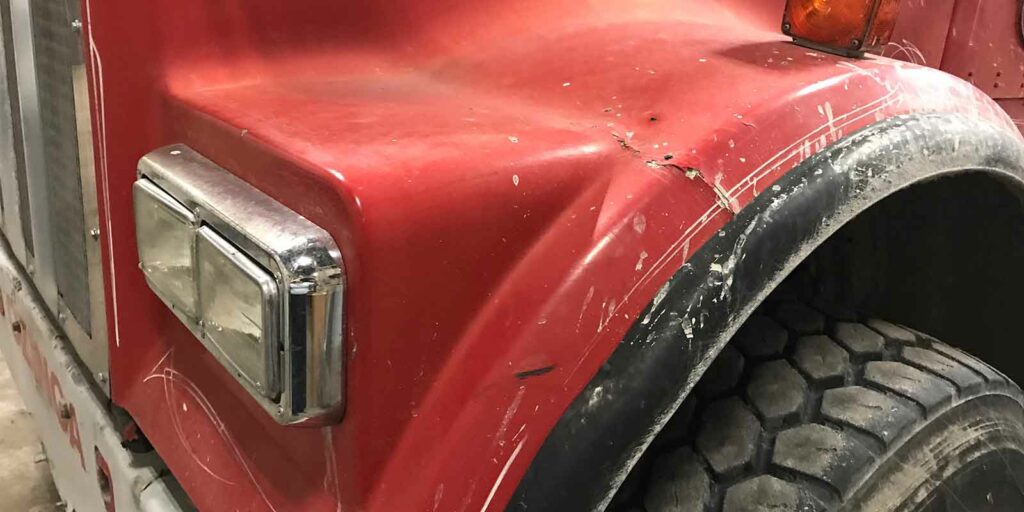
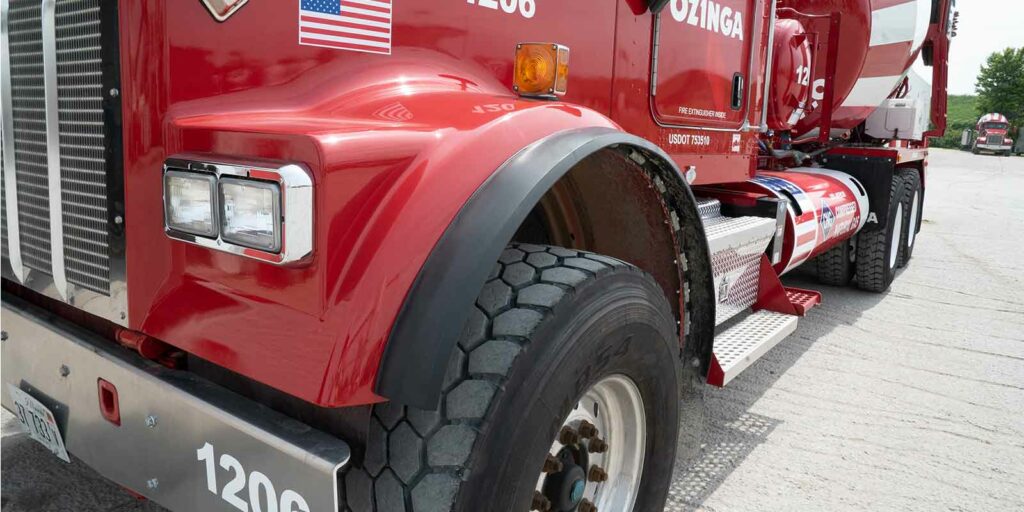
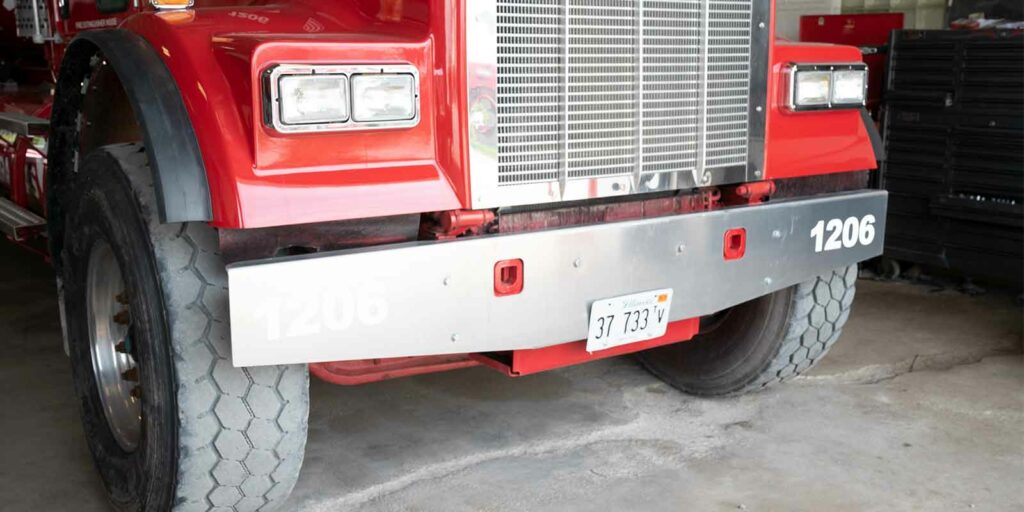
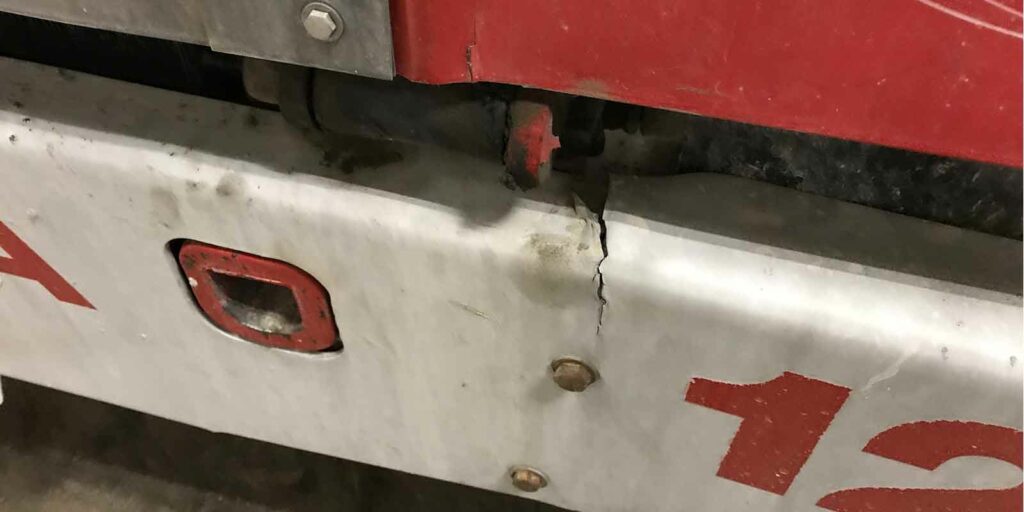
As part of Ozinga’s commitment to maintaining our fleet, we recently created a custom rebuild shop to give our used equipment a second life and keep maintenance costs down. Certain components on fleet equipment often outlast others, making it difficult to maintain the same productivity on the job.

For the shop’s most recent project, mechanics completely rebuilt a 2012 Kenworth W900 compressed natural gas concrete mixer truck. They replaced the mixer drum and rebuilt the drum drive, as well as rebuilt and re-certified the engine. The maintenance team also rebuilt the suspension and brakes, serviced the transmission, repaired all wiring components and replaced all the original lights with LEDs. Once all the internal updates were made, they finished the job with a fresh coat of paint and new decals. The finished product looks like a new vehicle.

“The rebuild shop was born out of a desire to extend the life of our equipment in a sustainable way,” said Jeff Bonnema, Vice President of Fleet Management. “This new initiative helps keep overall fleet ownership costs down and ensure peak operational and performance readiness.”

Check out before and after photos of the amazing transformation below.

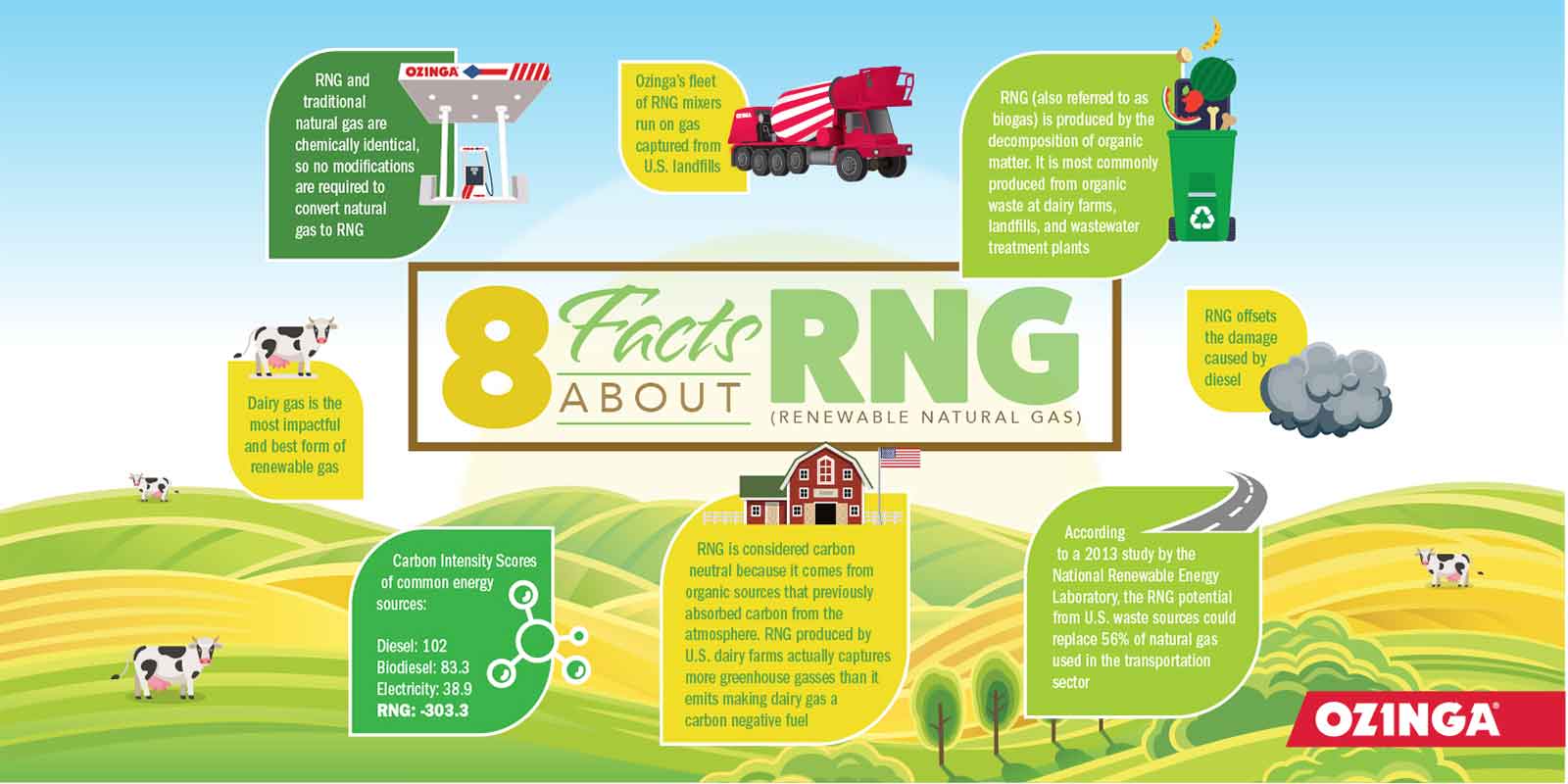
Renewable natural gas (RNG), also known as dairy gas or biogas, is the most impactful and best form of renewable natural gas available today. RNG is produced by the decomposition of organic matter and most commonly derived from organic waste at dairy farms, landfills, and wastewater treatment plants.

Ozinga’s entire fleet of RNG mixers runs on gas captured from landfills, and since RNG and traditional natural gas are chemically identical, no modifications are required to convert natural gas to RNG.

RNG is also considered carbon neutral because it comes from organic sources that previously absorbed carbon from the atmosphere. RNG produced by dairy farms captures more greenhouse gasses than it emits, making dairy gas a carbon-negative fuel.

Learn more about RNG benefits in the infographic below.

facts about rng

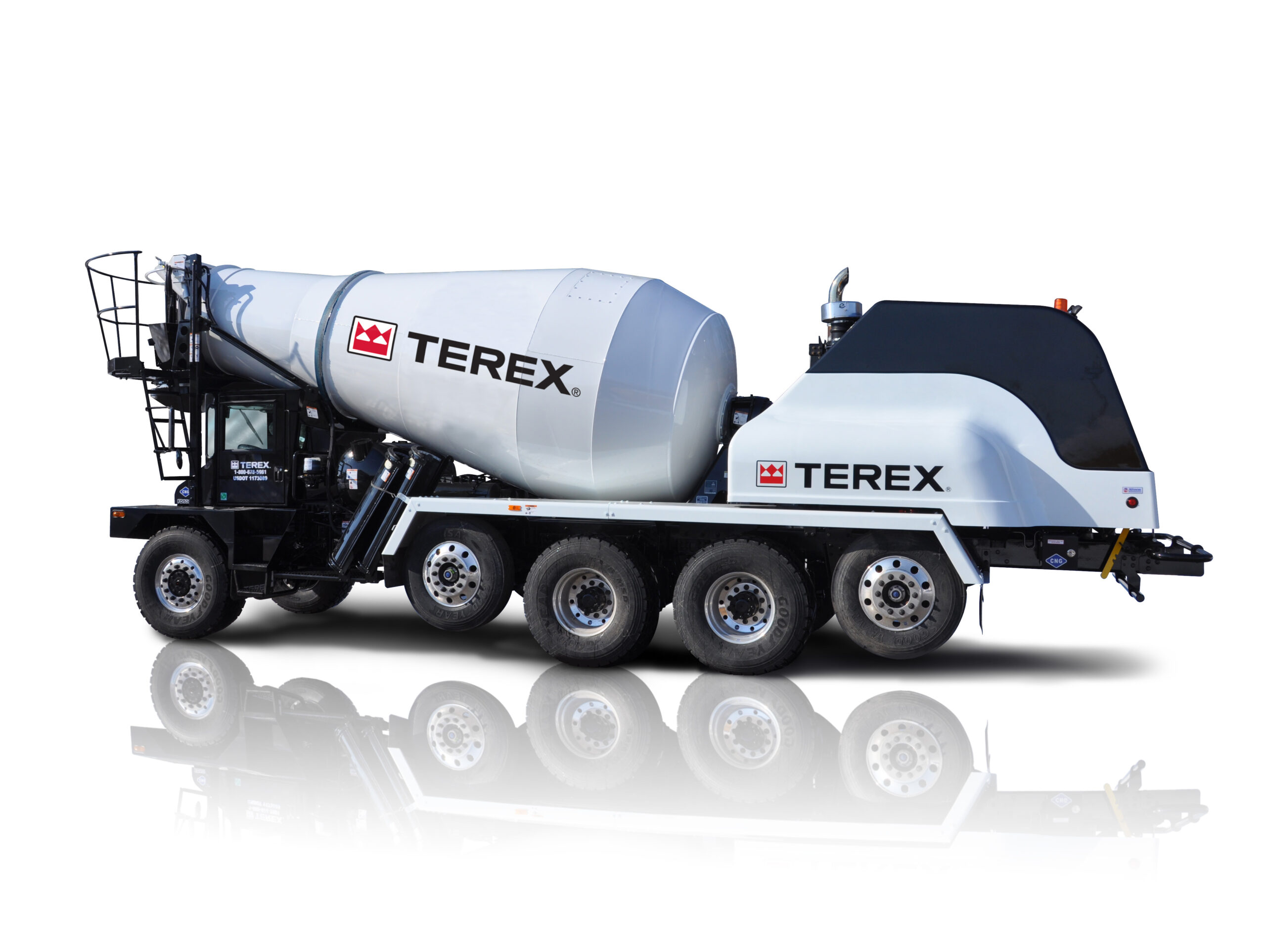
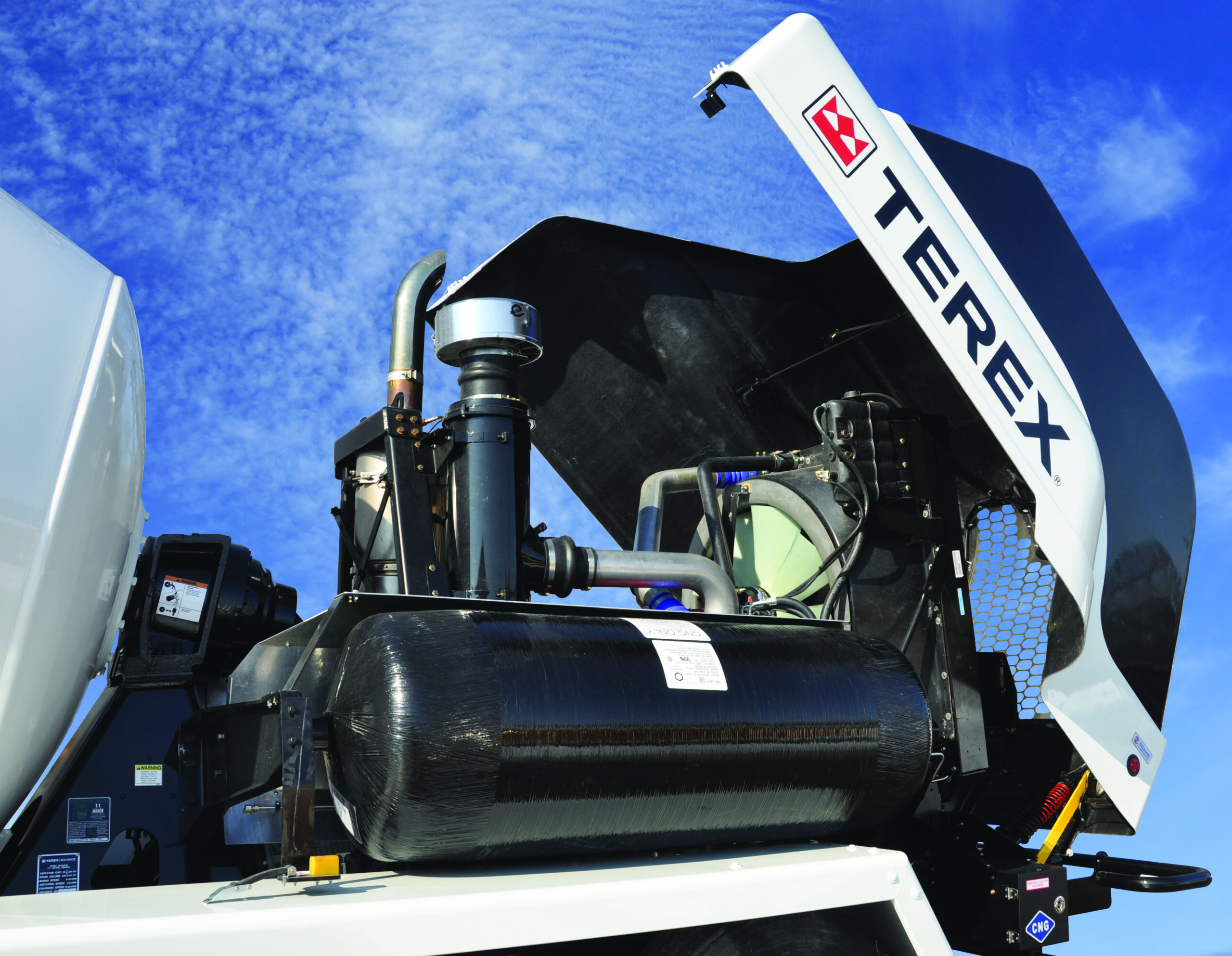
New Terex FD5000At CONEXPO-CON/AGG 2014, Terex Construction debuted their first concrete mixer truck powered by compressed natural gas (CNG). Based on their FD5000 ?Great Lakes? design, these new CNG mixers improve on the existing designs for front-discharge concrete mixers with concealed CNG tanks and a reduced overall truck weight.

Since the launch of Ozinga Energy, we have been serving Ozinga Ready Mix Concrete?s fleet of nearly 150 CNG vehicles with three public fueling stations in the Midwest. We are now excited to announce that we have successfully installed a new fueling system for Terex Construction at their production facility in Fort Wayne, Indiana.

Using a compressor from Virginia-based Bauer Compressors, Inc. and two time-fill fueling posts from Northlake, Illinois-based Bristol Energy, Terex will now be able to fuel their brand new CNG concrete mixers overnight as they leave the assembly line. These stylish new trucks will then make their way to their new homes with tanks full of clean-burning compressed natural gas.

Terex CNG engineThe construction process went smoothly and quickly, with infrastructure establishment taking about three days and equipment installation taking just one day. In addition to building this new time-fill fueling system, Ozinga Energy will also be installing a methane monitor at the Terex facility to uphold safety regulations and will provide ongoing support to ensure that their CNG system continues to run at peak performance.

“Ozinga Energy is our one-stop for all CNG fill station, facility upgrades, training, and maintenance needs,” said Mike Johnson, Terex Systems Engineer. “Brian Curry and the rest of the Ozinga Energy crew were easy to work with and quick to respond.”

Ozinga Energy is proud to serve Terex as they join us in building the road to an independent energy future. For more information about CNG fuel systems or to learn how your business could benefit from CNG, contact us today. Our CNG team can guide you through the entire process and provide expert advice every step of the way.

Get In Touch